Florence With Teenagers: Things They May Actually Enjoy
Plan Florence with teenagers around one major museum, Mercato Centrale, Ponte Vecchio and Piazzale Michelangelo, with honest skip advice.
The best way to do Florence with teenagers
Plan around one major museum, one food stop, one river landmark and one viewpoint. That preserves Florence’s Renaissance strengths without turning the trip into a sequence of galleries and churches.
A strong core combination is:
- Uffizi Gallery for one selective encounter with Renaissance art
- Mercato Centrale for a less formal food stop
- Ponte Vecchio for a short landmark visit beside the Arno
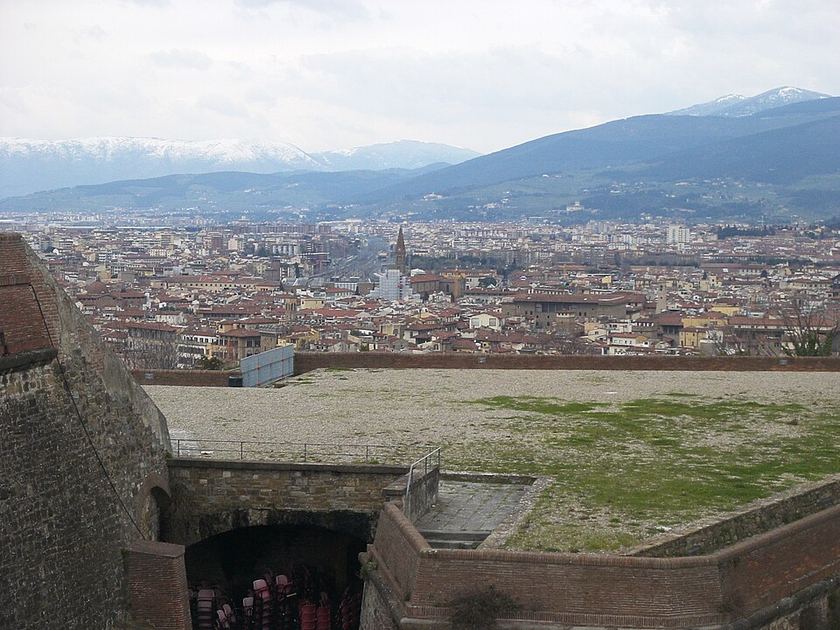
- Piazzale Michelangelo for the broad view over the river and historic centre
No itinerary can guarantee that a teenager will not be bored. The practical goal is to alternate concentrated cultural visits with places that offer food, movement or an immediate visual payoff.
What is most likely to feel worthwhile?
| Place or activity | Why it can work | When to skip or shorten it |
|---|---|---|
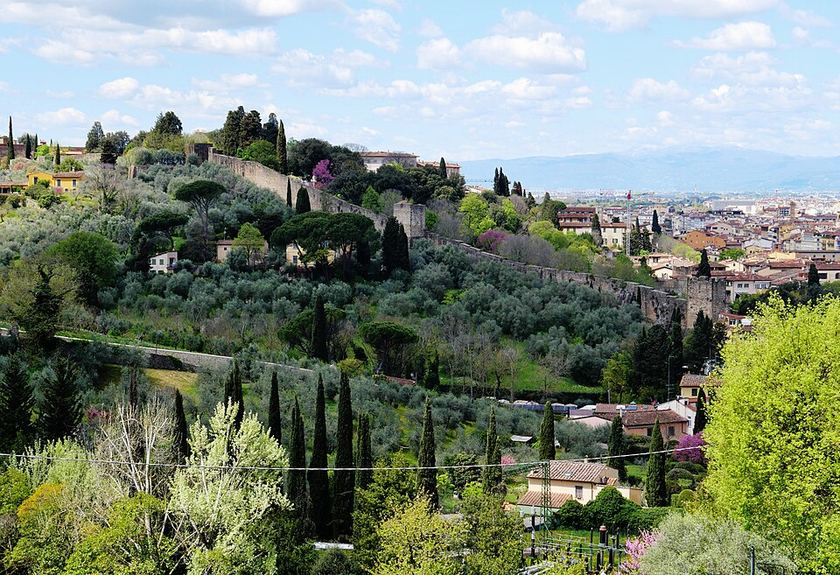
| Piazzale Michelangelo | The reward is obvious: the postcard view over the Arno and historic centre. It is particularly suited to the later part of the day, near sunset. | Skip it if the family would rather spend its energy in the centre than make a separate trip to a viewpoint. |
| Ponte Vecchio | It is a quick, recognisable landmark rather than a long formal visit. The bridge survived 1944 and is still lined with goldsmiths. | Do not build a large part of the day around it; it works better as part of a river walk or a route between other stops. |
| Mercato Centrale | The nineteenth-century iron hall provides a change from art: produce is downstairs and food counters are upstairs. | Skip it if nobody wants a market or food-hall stop; otherwise it can reset the day between cultural sights. |
| Uffizi Gallery | It gives teenagers one substantial introduction to Florence’s defining subject: Renaissance painting and the Medici collection. | Skip it if the group has no interest in painting. A reluctant, exhaustive visit is unlikely to improve the trip. |
| Several museums or churches in succession | This may suit a teenager who already enjoys art history. | For most mixed-interest families, repetition is the bigger risk than any single sight. Choose one priority rather than collecting interiors. |
Make the Uffizi the one major museum
If your family visits only one major museum, the Uffizi Gallery is the logical candidate. Its collection focuses on Renaissance painting, housed in Vasari’s sixteenth-century administrative building. That connects directly to Florence’s importance as the birthplace of the Renaissance.
The mistake is treating the museum as an endurance test. Instead:
- Agree beforehand that this is the day’s main cultural visit.
- Focus on Renaissance painting rather than trying to absorb everything equally.
- Let each teenager choose works or rooms that hold their attention.
- Follow it with a contrasting stop, such as Ponte Vecchio or Mercato Centrale, rather than another museum or church.
Opening arrangements and prices are not provided here. Check the official Uffizi website before visiting.
Use food and the river to break up the art
Mercato Centrale
Mercato Centrale is useful because it changes the rhythm of the day. Downstairs is produce; upstairs are food counters. That gives family members more freedom than a tightly structured cultural visit and makes the market a practical separator between sightseeing blocks.
It is not a substitute for Florence’s art. Its role in a teen-friendly plan is to prevent the entire day from feeling like a lesson. Check the official Mercato Centrale website for current visitor information.
Ponte Vecchio
Ponte Vecchio provides history without requiring a long indoor visit. It is the only Florentine bridge to have survived 1944 and remains lined with goldsmiths.
Because the bridge is close to the Uffizi, the two make a sensible pairing. Visit the museum, then move towards the Arno and Ponte Vecchio rather than immediately entering another cultural institution. The change of setting matters as much as the landmark itself.
Save a clear payoff for the end of the day
Piazzale Michelangelo has the strongest simple reward in this plan: a broad view over the Arno and the historic centre. It is best near sunset, though the exact timing varies through the year and is not covered by the available information.
Treat the viewpoint as a destination rather than squeezing it between indoor visits. If everyone is tired, choose between the viewpoint and another cultural stop; doing both resentfully is worse than dropping the less important option.
Florence is compact enough to cross on foot, but Piazzale Michelangelo is separate from the central cluster formed by the Uffizi and Ponte Vecchio. Families with mobility concerns should confirm current access and transport information through the Florence council website.
Choose between a deeper art day and a lighter walking day
Option 1: A deeper art day
Choose this if at least some of the family genuinely want Renaissance art.
- Make the Uffizi the central commitment.
- Add Ponte Vecchio as a short outdoor contrast.
- Use Mercato Centrale for food and a change of pace.
- Do not add several church interiors or another major museum simply because they are nearby.
This option keeps Florence’s artistic identity at the centre while limiting museum fatigue.
Option 2: A lighter walking day
Choose this for teenagers who prefer movement, views and shorter historical encounters.
- Start with Mercato Centrale or use it as the day’s main break.
- Walk through the centre towards the Arno.
- Cross or view Ponte Vecchio.
- Finish with Piazzale Michelangelo near sunset if the family still has the energy.
This plan gives up depth in the galleries, but it does not skip Florence entirely: the market hall, historic bridge, river and city panorama still provide distinct views of the city.
The balanced option
For a first visit, the best compromise is usually one selective Uffizi visit on one day and the lighter market–river–viewpoint sequence on another. If the stay is too short for that, choose either the Uffizi or Piazzale Michelangelo as the main commitment rather than rushing both.
Common planning mistakes
Turning every Renaissance sight into an obligation
Florence’s importance does not require visiting every available interior. One focused museum visit can communicate more than a series of reluctant stops.
Scheduling similar places back to back
Avoid a museum–church–museum sequence unless the teenager actively wants an art-focused day. Alternate indoor concentration with food, walking, the river or a viewpoint.
Treating Ponte Vecchio as a full activity
Its value is as a historic landmark and part of a route beside the Arno. Pair it with the nearby Uffizi or continue towards another destination.
Keeping the viewpoint as an afterthought
Piazzale Michelangelo works because it has a clear visual payoff. Give it its own place in the plan, and drop it if the family no longer has the energy for a separate final stop.
A simple rule for family decisions
Ask each person to choose one priority from the Uffizi, Mercato Centrale, Ponte Vecchio and Piazzale Michelangelo. Keep the choices with the most support, then alternate the formats. The result should feel like art, food, movement and a view, not a checklist of Renaissance buildings.
Frequently asked
How many museums should we visit in Florence with teenagers?
Usually one major museum is enough for a mixed-interest family. Make the Uffizi the main cultural visit and avoid placing several museums or churches immediately after it.
Is the Uffizi Gallery worth visiting with teenagers?
Yes, if they have at least some interest in painting or Renaissance history. Keep the visit selective and make it the day’s main cultural commitment rather than one stop in a long museum sequence.
Which Florence market works well in a teen-friendly itinerary?
Mercato Centrale offers produce downstairs and food counters upstairs. It works well as a break between cultural visits because it changes the pace of the day.
Where can teenagers get a good view over Florence?
Piazzale Michelangelo provides the postcard view over the Arno and Florence’s historic centre. It is best near sunset, although you should confirm the relevant timing for your travel date.
Can we explore Florence with teenagers on foot?
Florence is compact enough to cross on foot. The Uffizi and Ponte Vecchio are natural companions, while Piazzale Michelangelo is better treated as a separate destination rather than a quick add-on.