Florence on a Budget: What a Trip Really Costs
Plan Florence on a budget without made-up daily costs. Compare accommodation, food, tickets and transport, then decide where to save and spend.
The honest way to budget for Florence
A realistic Florence on a budget plan should be built from live quotes, not an invented daily allowance. Your total is:
Travel to Florence + accommodation + food + attraction tickets + local transport + contingency
Accommodation and food recur throughout the trip. Admission costs depend on how many paid attractions you choose, while local transport may be limited because Florence is compact enough to cross on foot.
Florence uses the euro. Check current accommodation rates for your dates and use the official attraction websites for admission prices and booking conditions.
Which costs matter most?
| Cost category | What changes the total | Practical way to save |
|---|---|---|
| Accommodation | Number of nights, dates and location | Compare the total stay cost, not just the nightly rate. A central location may reduce local transport needs. |
| Food | Every additional day adds meals and drinks | Decide which meals matter to you and compare options before ordering. Do not assume a market is automatically cheap. |
| Attraction tickets | The number and type of paid sights | Choose one or two priorities rather than buying admission everywhere. |
| Local transport | Where you stay and how much you are willing to walk | Group central sights and cover suitable sections on foot. |
| Travel to Florence | Origin, dates and booking conditions | Obtain a live quote and treat it separately from the city budget. |
| Contingency | Flexible plans, booking changes and unplanned purchases | Keep a reserve instead of committing the entire budget to advance purchases. |
Accommodation
Each extra night creates another accommodation charge, so trip length has a direct effect on the total. The cheapest room is not necessarily the cheapest overall choice: staying farther from the centre could add transport costs or inconvenience, while a central stay may make it easier to walk between sights.
Compare cancellation terms and the complete price shown at checkout. No verified Florence accommodation rates are available here, so any universal “average nightly price” would be misleading.
Food
Food is another repeated cost rather than a one-off purchase. Mercato Centrale has produce downstairs and food counters upstairs, which gives you different formats to compare in one place. That does not prove it will be the cheapest option, so check displayed prices before ordering.
A useful budget decision is to choose which meals deserve more spending. If dinner is a priority, keep the rest of the day simpler; if food is central to the trip, reduce the number of paid attractions instead of setting an unrealistically low meal allowance.
Attraction tickets
Florence becomes expensive when several paid attractions are added without clear priorities. Before buying anything, ask which experience is the main reason for the trip.
- Uffizi Gallery: worth prioritising for travellers who want a major visit focused on Renaissance painting and the Medici collection. Check current prices and booking requirements on the official Uffizi website.
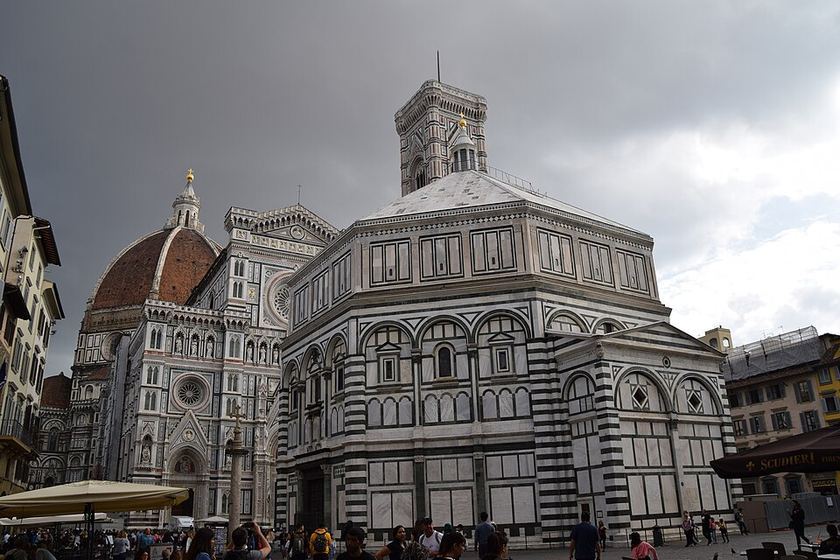
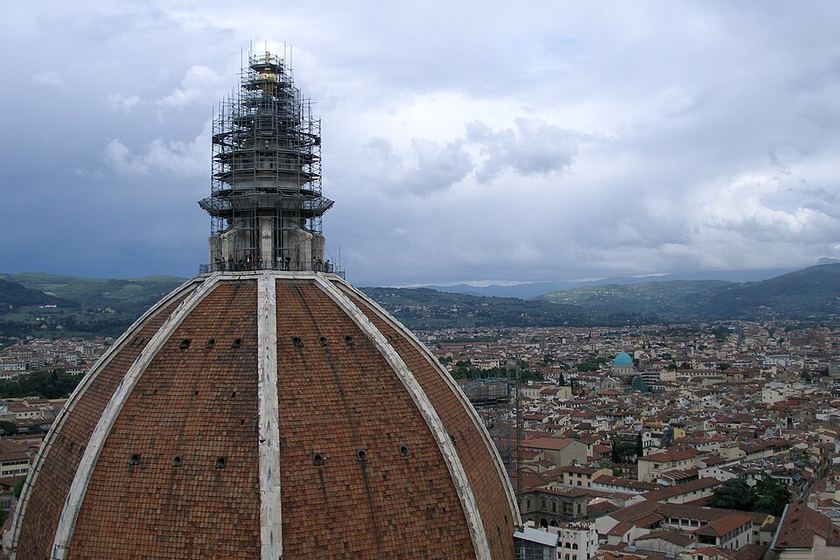
- Florence Cathedral: Santa Maria del Fiore and Brunelleschi’s dome are central to many first visits, but the supplied information does not establish which parts require admission. Compare the current options on the official Duomo website before budgeting.
- Additional paid visits: optional when the budget is tight. One carefully chosen major attraction is usually a better use of limited funds than a rushed sequence of admissions.
Do not rely on old ticket prices or assume every part of a religious complex follows the same access rules.
Local transport
Florence’s compact size makes walking an important saving opportunity. Grouping sights by area can reduce the need for repeated local journeys, although your actual transport requirements will depend on where you stay and arrive.
Do not choose distant accommodation solely because its room rate is lower. Compare any transport cost and inconvenience against the saving before booking.
Where ticket-free time fits
A low-admission itinerary does not have to mean an empty itinerary. Build sections around outdoor landmarks and city views rather than entering another paid attraction.
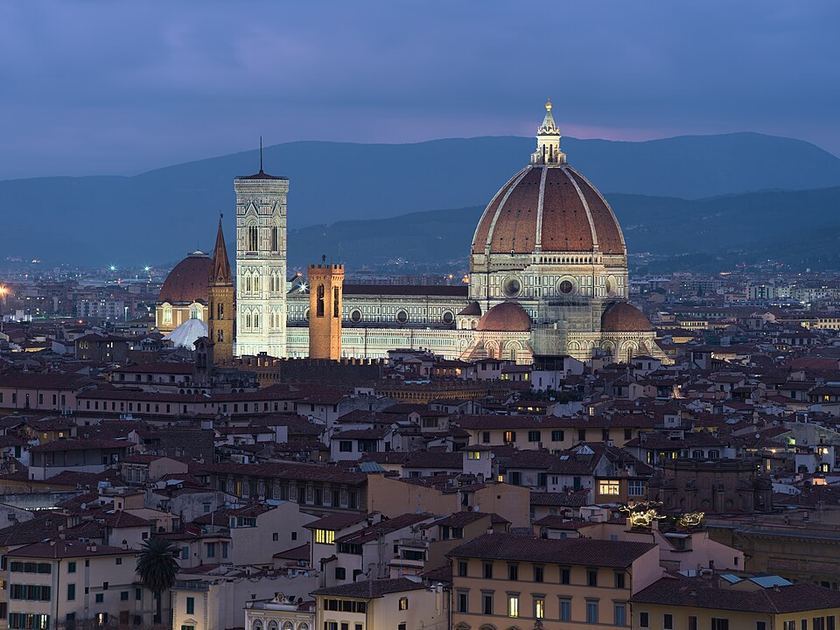
One possible sequence is to see the exterior of Florence Cathedral, continue through the centre towards Ponte Vecchio, and then make Piazzale Michelangelo the viewpoint portion of the plan. Piazzale Michelangelo overlooks the Arno and historic centre and is particularly associated with views near sunset.
This sequence reduces the number of museum admissions you need to schedule. It does not establish current access charges or restrictions at every location, so consult the relevant official pages if your plans depend on a particular area being accessible.
Mercato Centrale can also fit between sightseeing stops, but treat it as a place to compare food options rather than as a guaranteed budget meal.
What is worth paying for?
Pay for a clear priority
The Uffizi is the strongest paid candidate in this Fact Pack for travellers whose main interest is Renaissance painting. It should be treated as a major museum visit, not squeezed between several other admissions.
The Duomo may be the better priority when architecture and Brunelleschi’s dome matter more than a painting collection. Review the official ticket products before deciding, because current prices and access arrangements are not included here.
Keep these optional
A second or third paid attraction is optional if it forces cuts to accommodation, meals or contingency. Florence’s compact centre, Ponte Vecchio and the city view from Piazzale Michelangelo provide a framework for sightseeing without filling every part of the day with ticketed entries.
Paid admissions are also poor value when the itinerary leaves too little time to engage with them properly. A rushed museum added only because it is famous is easier to cut than your principal attraction.
How trip length changes the budget
| Trip shape | How the budget behaves | Sensible approach |
|---|---|---|
| One-night stop | Travel to Florence forms a large share of the trip, while time is limited | Pick one main paid experience at most and use walking for the rest. |
| Two or three nights | Accommodation and food repeat, but there is more room for a major museum and outdoor sightseeing | Alternate a paid priority with a lower-admission walking section. |
| Four nights or more | Every extra night adds accommodation and meals; unfocused admissions can accumulate | Recheck the stay total and add paid attractions only when they contribute something distinct. |
A short visit is not automatically cheap once travel is included. Conversely, a longer trip can control attraction spending by spreading one or two paid priorities across more ticket-free sightseeing time, although accommodation and food continue to accumulate.
A budget worksheet without fake prices
Collect live figures and fill in this structure:
- Travel to Florence: your actual fare and any booking fees.
- Accommodation: complete price for all nights, including anything shown at checkout.
- Food: your own allowance multiplied by the number of days.
- Admissions: only the attractions you genuinely plan to enter.
- Local transport: based on accommodation and arrival location rather than a generic estimate.
- Contingency: money kept uncommitted for changes or unplanned expenses.
Create a second version with one optional attraction removed. The difference shows exactly what that visit costs your trip, making it easier to decide whether it is worth paying for.
Common Florence budget mistakes
- Using an average daily figure without checking dates. Accommodation and travel quotes for your own trip are more useful than an unsupported city-wide average.
- Booking too many attractions. Multiple admissions can raise the total while making the itinerary rushed.
- Assuming every market meal is cheap. Mercato Centrale offers produce and food counters, but no verified prices are available here.
- Ignoring location when comparing rooms. A lower room price may create additional transport needs.
- Treating a short trip as automatically inexpensive. Travel to Florence remains a fixed cost even when there is only one night.
- Using outdated admission information. Confirm prices, access rules and booking requirements on official websites before paying.
Frequently asked
How much should I budget per day in Florence?
There is no reliable universal daily figure in the supplied data. Build your budget from live accommodation and travel quotes, your own food allowance, selected attraction admissions, local transport and a contingency reserve.
Can I save money by walking in Florence?
Florence is compact enough to cross on foot, so walking can reduce local transport needs. The actual saving depends on where you stay and arrive.
Should budget travellers pay for the Uffizi or the Duomo?
Choose according to your main interest. Prioritise the Uffizi for Renaissance painting and the Medici collection. Consider the Duomo when the cathedral and Brunelleschi’s dome matter more, after checking current ticket options on its official website.
Is a longer Florence trip better value?
Not automatically. A longer stay adds accommodation and food for every extra day. It can, however, let you spread one or two paid attractions across more walking and outdoor sightseeing time.
What can I do in Florence without adding another museum ticket?
Build walking time around the Florence Cathedral exterior, Ponte Vecchio and the city view from Piazzale Michelangelo. Check official information if your plan depends on current access conditions.