Florence for Art Lovers: A Realistic Art-Focused Itinerary
Plan one or two art-focused days in Florence around the Uffizi, Duomo and Piazzale Michelangelo without museum overload.
The best structure for an art-focused Florence trip
For most travellers, Florence for art lovers works best with one major indoor art experience per day. Make the Uffizi Gallery the anchor, then use Florence Cathedral and Piazzale Michelangelo as lower-intensity architecture and viewpoint blocks.
With one day, choose depth over volume: visit the Uffizi, spend time around the Duomo and finish at Piazzale Michelangelo. With two days, separate the Uffizi from a more focused exploration of Florence Cathedral. This reduces museum fatigue and leaves room for the buildings and cityscape to register as art in their own right.
| Time available | Realistic art plan | Main trade-off |
|---|---|---|
| One day | Uffizi Gallery, Duomo architecture block, Piazzale Michelangelo | Broad introduction, but no second major indoor visit |
| Two days | Day 1: Uffizi and viewpoint. Day 2: Florence Cathedral and another look at the historic centre | Better concentration and more flexibility around confirmed entry arrangements |
One-day Florence for art lovers itinerary
1. Make the Uffizi Gallery the main indoor commitment
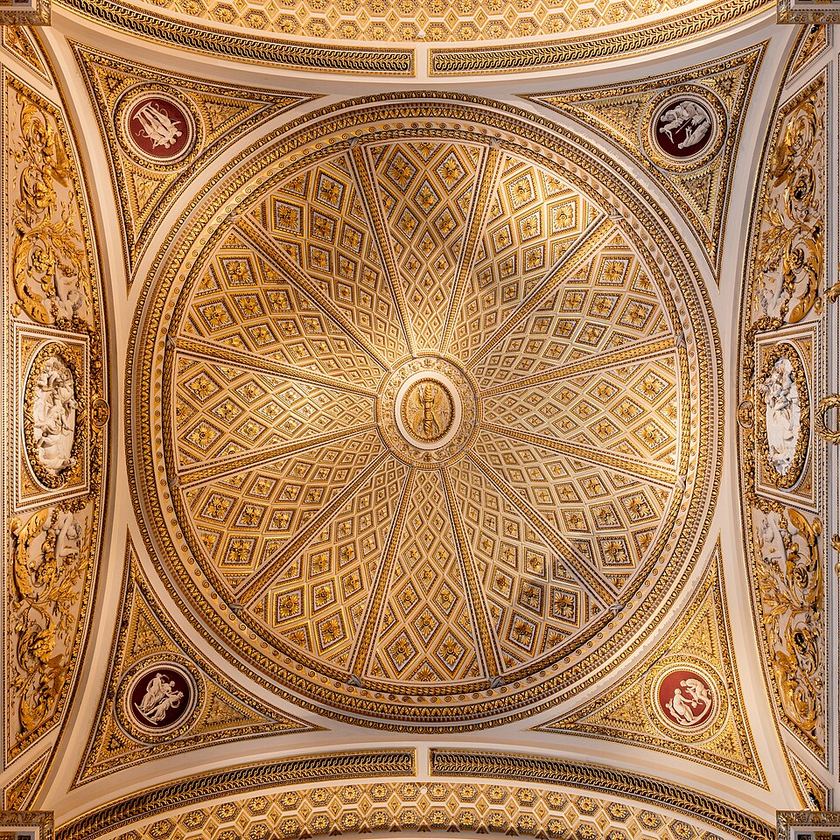
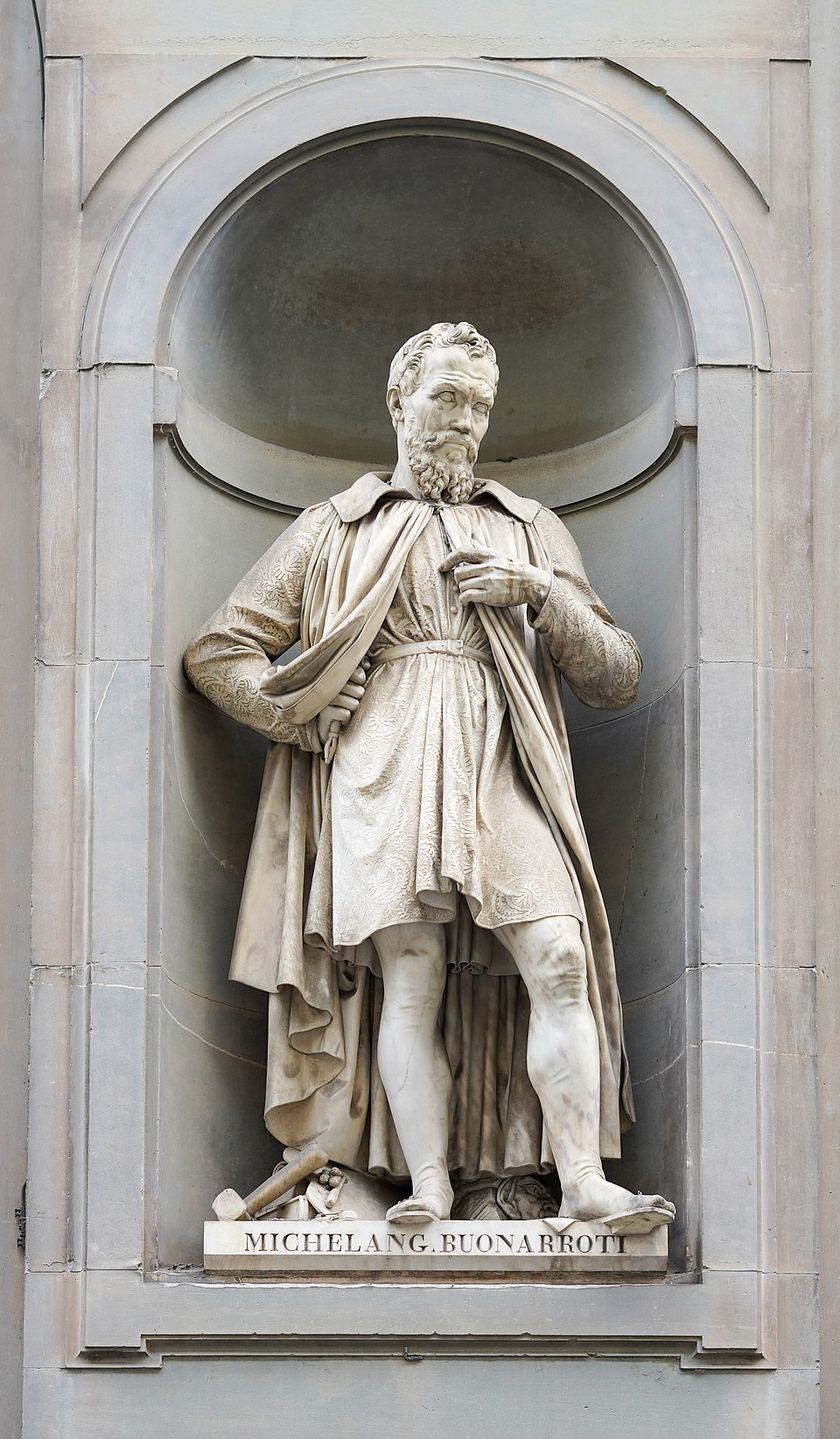
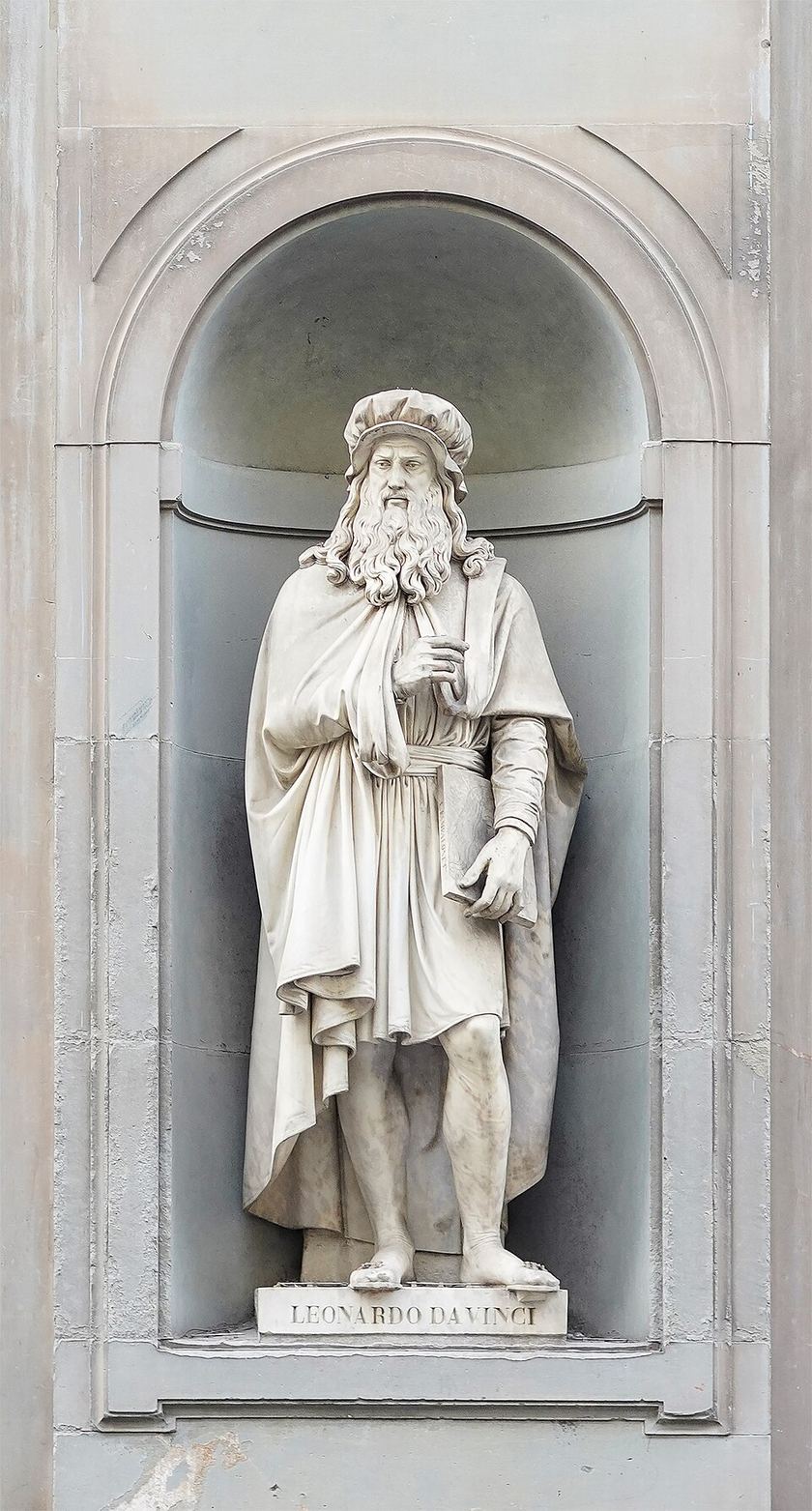
The Uffizi Gallery houses the Medici collection of Renaissance painting in Vasari’s 16th-century administrative building. Treat it as the intellectual and visual centre of the day rather than one stop in a museum checklist.
Do not add another major indoor collection simply because Florence is compact enough to explore on foot. The limiting factor is likely to be attention rather than geography. After a substantial gallery visit, more rooms and labels can become less rewarding even if another attraction is physically reachable.
Before fixing the rest of the day, check the official Uffizi website for current opening information, admission arrangements and any booking requirements. No current hours, prices or ticket rules are available in the supplied information.
2. Use Florence Cathedral as an architecture recovery block
Continue to Florence Cathedral, or the Duomo, in Piazza del Duomo. Santa Maria del Fiore is crowned by Brunelleschi’s dome, making the building itself an essential part of an art-first itinerary.
On a one-day visit, the sensible approach is to treat the cathedral initially as an architecture stop rather than automatically committing to another intensive interior experience. Look at the building and dome, pause in the square and give yourself time away from gallery rooms.
If entering or exploring particular parts of the complex matters to you, consult the official Duomo website before visiting. Confirm current access, hours and ticket arrangements rather than assuming that every part can be visited spontaneously.
3. Finish with the city as the artwork
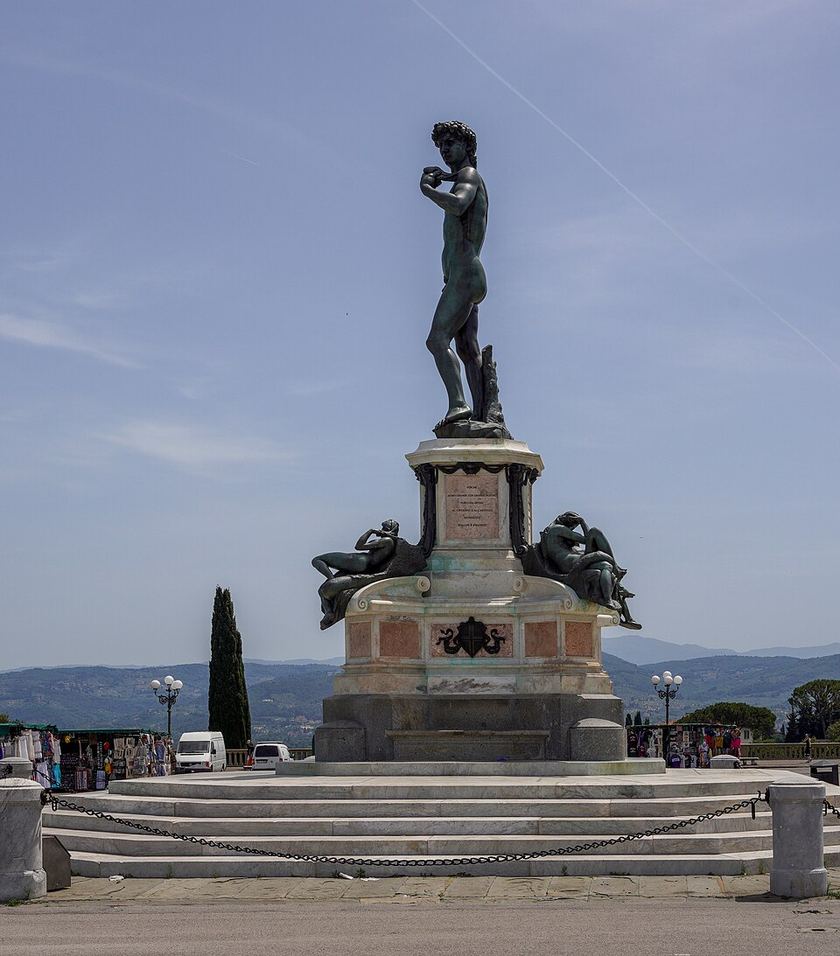
End at Piazzale Michelangelo. It provides a view over the Arno and Florence’s historic centre and is best near sunset.
This is a useful final block because it changes the scale of attention: instead of examining individual works, you see Florence’s architecture as a connected cityscape. Check the sunset time for your travel date separately, as seasonal daylight information is not available here.
A less rushed two-day art itinerary
Day 1: Uffizi depth, then a viewpoint
Build the first day around the Uffizi Gallery. Keep the visit selective enough that you can still absorb what you see; completing every possible room is less important than sustaining attention.
Afterwards, avoid scheduling another demanding indoor attraction. Spend the remaining part of the day walking through central Florence, then use Piazzale Michelangelo as the visual conclusion. The viewpoint provides contrast after sustained concentration inside the gallery.
Day 2: Duomo architecture in context
Give the second day to Florence Cathedral and its setting in Piazza del Duomo. This separation is particularly worthwhile if you want more than a quick exterior look.
Check the cathedral’s official website before deciding how much of the visit to plan indoors. Once you know the current access arrangements, make that confirmed element the day’s anchor. Leave space before or afterwards to reconsider the exterior, Brunelleschi’s dome and the surrounding historic centre without rushing onward.
The advantage of this two-day structure is not the number of places covered. It is the ability to approach Renaissance painting on one day and architecture on another, with enough mental space for both.
How much museum time is too much?
A useful planning limit is one major indoor art anchor per day. This is a recommendation rather than an admission rule: some travellers can tolerate more, but a packed sequence often reduces the value of later visits.
Signs that the itinerary is overloaded include:
- treating the Uffizi as something to complete quickly;
- adding a demanding Duomo visit immediately afterwards without a break;
- planning every hour indoors;
- assuming Florence’s compact size removes the need for rest;
- leaving no flexibility for confirmed entry arrangements.
For a single art-heavy day, the combination of one major gallery, one architecture block and one viewpoint is a realistic skeleton. Travellers who prefer slower visits should split even that plan over two days.
A booking strategy without overplanning
Ticket rules, prices and opening hours can change, so build the itinerary in this order:
- Choose the priority: for most painting-focused visitors, this will be the Uffizi.
- Check the official website: confirm current hours, admission procedures and booking requirements.
- Fix the indoor anchor first: place flexible exterior and viewpoint time around it.
- Check Duomo access separately: do not assume the cathedral and every part of its complex share the same arrangements.
- Keep a recovery block: avoid making every unallocated period another ticketed visit.
This approach protects the most important experience while keeping the day resilient if availability or access differs from your initial assumptions.
Who should choose each version?
Choose the one-day plan if art is a priority but Florence is part of a wider itinerary. Accept that the day is an introduction rather than comprehensive coverage.
Choose the two-day plan if you want to examine the Uffizi collection without racing through it, or if the Duomo deserves more than an exterior pause.
Slow-paced travellers should also prefer two days. Florence may be compact enough to cross on foot, but physical proximity does not prevent visual and mental fatigue.
The planning mistake to avoid
Do not measure an art itinerary by how many interiors it contains. In Florence, the Uffizi’s collection, the architecture of Santa Maria del Fiore and the city view from Piazzale Michelangelo offer three different ways of reading Renaissance Florence. Separating them with walking and open-air pauses is more effective than compressing them into a continuous sequence of admissions.
Frequently asked
Can I see Florence’s main art highlights in one day?
A realistic art-focused day can include one major indoor anchor—the Uffizi Gallery—followed by an architecture block around Florence Cathedral and a city view from Piazzale Michelangelo. Adding another demanding indoor visit is likely to make the day rushed.
How many major museums should I plan per day in Florence?
For most travellers, one major indoor art visit per day is a sensible limit. It is a fatigue-management recommendation, not an admission rule. Use architecture, walking and a viewpoint between intensive indoor experiences.
Do I need to book the Uffizi Gallery in advance?
Check the official Uffizi website for current admission procedures, opening information and booking requirements. The supplied information does not verify current ticket rules, hours or prices.
How should I divide an art-focused Florence trip over two days?
Use the first day for the Uffizi Gallery and Piazzale Michelangelo. Give the second day to Florence Cathedral and its architectural context, confirming current access arrangements on the official Duomo website.
What is a good non-museum art experience in Florence?
Piazzale Michelangelo offers a view over the Arno and Florence’s historic centre and is best near sunset. It works well after an indoor gallery visit because it shifts attention from individual works to the cityscape.